Yesterday was Mother's Day, a time to honor our mothers, to show the love we possess for them. I love my mother, and she is worthy of much honor for her love, devotion, and sacrifice in raising me. However, she will say that she doesn't need any specific day to be honored, that she feels my love every day. Many mothers probably feel that very same way about their children, yet we children still enjoy celebrating this holiday.
I actually worked at the Beacon Hill Wine & Gourmet store on Mother's Day and it was fairly busy with people buying wine for their mothers. I sold more White Zinfandel today than any other day I can ever recall. One of the customers seemed almost guilty buying it, telling me that it was for his mother. That made me ponder the matter, raising a question in my mind.
If you truly love your mother, would you really buy her an inexpensive wine like a White Zinfandel?
Some might think the answer is easy, that their mother deserves much better than White Zinfandel. Some might think she deserves a high-end Cabernet Sauvignon, a fine Bordeaux or a vintage Port. In some respects, they are correct. Your mom is certainly worthy of a pricey, high end wine. My own mom is certainly worthy of any wine I know. However, that doesn't mean you should buy your mother such a wine.
In fact, sometimes a White Zinfandel is the best wine you can buy for your mom.
For Mother's Day, I believe that you should give your mother the things she loves. No matter what they might be. I don't believe it is the day to test your mom, to give her mother something she might or might not enjoy. You want the day to be as perfect as possible for your mother, so you should cater to her desires. If she loves White Zinfandel, then the best wine you can give her for Mother's Day is White Zinfandel. You shouldn't feel guilty or cheap. You shouldn't feel like a bad child.
Even if you are a wine lover, conversant with wines from all over the world, having tasted wines made from hundreds of different grapes, don't shy away from buying White Zinfandel if that is what your mother loves. Maybe your mom has never had a Provence Rose or a Gruner Veltliner, and might enjoy them if she did. Then again, maybe she won't. Don't try to change your mother's palate on Mother's Day. Give her what you know she already loves, even if it is White Zinfandel.
Yes, Love for your mother can be expressed through White Zinfandel.
Thursday Sips & Nibbles
I am back again with a new edition of Thursday Sips & Nibbles, my regular column where I briefly highlight some interesting wine and food items that I have encountered recently.
**********************************************************
1) Now in its 16th year, Chefs in Shorts brings together a group of the area’s top culinary talent who will fire up the grills and create their favorite dishes during this expansive outdoor, summer-in-the-city barbeque hosted at the Seaport Hotel & World Trade Center. Join some of Boston’s best chefs for an evening of grill-offs, desserts, beer & wine and fun all to benefit Future Chefs, a local non-profit school-to-career program focused in culinary arts. Future Chefs’ mission is to prepare urban youth in Greater Boston for quality early employment and post-secondary education opportunities in the culinary field and to support them in developing a broad base of transferable skills as they transition into the working world.
This year’s confirmed chefs and venues include the following:
Alma Nove & Wahlburgers Paul Wahlberg
Aura & Tamo at the Seaport Hotel Robert Tobin
Backyard Farms Tim Cuniff
Bambara Jay Silva
Battery Park & Sweet Caroline’s Joshua Smith
BOND at the Langham Hotel Mark Sapienza
Brasserie Jo Nicholas Calias
Catalyst William Kovel
Church Jonathan Gilman
Cinquecento Justin Winters
Davio’s Northern Italian Steakhouse Rodney Murillo
Del Frisco’s Double Eagle Steak House Derek Barragan
Flour Corey Johnson & Jeffrey Stevens
Jamaican Me Hungry Eric Campbell
Kick Ass Cupcakes Sara Ross
LaVallee’s Bakery Goods Distributors Andy LaVallee
Lucky’s Lounge Luke Beardslee
Mela Ranveer Brar
Philip R’s Philip Rotondo
Seaport Hotel & World Trade Center Karen Hodsdon & Richard Rayment
Taranta Jose Duarte
Top of the Hub Mark Porcaro
Treat Cupcake Bar Adie Sprague
Tremont 647 Andy Husbands
Union Bar & Grille Keenan Langlois
Where: The Seaport Hotel & World Trade Center, 200 Seaport Boulevard, Boston (along the upper level viaduct)
When: Friday, June 14
VIP/Media Reception: 6:30pm
Main Event: 7pm–9:30pm
Cost: $70 per person (includes admission with complimentary beer, wine and culinary tastings) Tickets: Tickets available online: www.seaportboston.com.
2) Fleming’s Prime Steakhouse & Wine Bar has just launched, at each of its 65 locations nationwide, the Fleming’s WiNEPAD™, a custom app on iPad that helps guests navigate the restaurant’s extensive wine list tableside or at the bar. “For our guests, the Fleming’s WiNEPAD™ takes the guessing out of ordering wine,” said National Director of Wine Maeve Pesquera. “We look forward to enhancing the experiences of our guests and taking the intimidation factor out of wine.”
The WiNEPAD™ has easy-to-use, intuitive and interactive software, but it also provides label-specific tasting notes and, in some cases, the story behind the wine. Another unique and differentiating element is the ability for guests to match their current mood with specific varietal categories and tastes, providing a customized experience with the “What’s Your Mood” function. White wine moods range from Fragrant & Fruity to Rich & Elegant, red wine moods include Big & Intense and Rich & Voluptuous, and sweet wine moods feature Sweet & Mouthwatering and Sweet & Powerful. The Mood Matcher function offers more than 10 moods with various wine selections for each to satisfy guests’ ever-changing tastes.
Other standard features including:
--Wine List Tab: Sorts wines in progressive order from lightest to fullest by region, varietal, Fleming’s 100® selections, wines rated at 90+ by Robert Parker Wine, Wine Spectator and Wine Enthusiast and local selections chosen by the location’s wine manager.
--Maeve’s Raves: Presents wines selections recommended by the National Director of Wine Maeve Pesquera.
--Perfect Pairings: Showcases wine and food pairings based on the guests’ menu selection by providing three paired wine options that accentuates complementary flavors. This takes the guesswork out of selecting a glass of wine for each course.
--Spin the Bottle: Provides a fun and adventurous take on ordering wine for the indecisive. The bottle icon spins and lands on a different selection each time.
--Share This Wine: Gives Fleming’s guests the ability to email themselves any wine on the wine list. The email comes to the guest’s inbox complete with their new favorite wine, tasting notes and an image of the label.
3) Tuscan Village, in Salem, New Hampshire, will host their very own cooking school “Scuola Culinaria,” for those wishing to learn and experience true Italian-artisan cooking. Launching Wednesday, May 22, from 6:30pm–9:30pm, the first in the school’s series of classes will launch with “An Evening in Tuscany” featuring celebrity Chef Mary Ann Esposito and the creator of the Tuscan Brands empire, Joe Faro.
The first class, An Evening in Tuscany will consist of a demo class and a 3-course dinner held in Tuscan Kitchen and led by Esposito and Faro in which guests will see each dish demonstrated, followed by the presentation of the dish. Guests will get to interact with Esposito and Faro during the demonstrations. Guests will received an autographed copy of one of Mary Ann Esposito’s books and a Tuscan Market apron as well as recipes from the evening’s dinner for $85 per person (beverages, tax and gratuity not included).
MENU
--ANTIPASTI: Chickpea Meatballs, Roasted Tomato Sauce, Pecorino Toscano Spiedini of Grilled Fig, Robbiola Wrapped in Speck, Vin Cotto Drizzle
--PRIMI: Sweet Potato Gnocchi, Butter Sage & Walnut Sauce Duck Raviolo, Amarena Cherry & Sangiovese Pan Sauce, Candied Hazelnut Crumble
--SECONDI: Shrimp Amalfi Style Crispy Pork Shank, Braised Peach & Shallot Mostarda, Creamy Ancient Grain Polenta
--DOLCI: Almond Paste Cheesecake, Blackberry Gelato, White Chocolate Drizzle
Tickets for the event are available by calling Tuscan Kitchen at (603) 952-4875, or online at: http://www.tuscanbrands.com/kitchen/cooking-school/
4) Chef Tim & Bronwyn Wiechmann of T.W. Food, an excellent Cambridge restaurant, are opening a new restaurant, Bronwyn. This will be a Central and Eastern European-inspired restaurant, located in Somerville, and will open on Wednesday, May 15. Located at 255 Washington Street, Bronwyn will initially be open for dinner, with brunch and late-night sausage to follow. The restaurant will begin accepting reservations at 617-776-9900 on Saturday, May 11.
The menu will showcase Central and Eastern-European dishes made from the best local ingredients from nearby farms in the Boston area, including Hausbrot (breads), Appetizers, Wurst (sausages), Noodles, Mains, Sides and Desserts. The bakery will offer sour and chewy giant Bretzels with sea salt flakes and artisan breads made with whole grains milled in-house, and the beverage program will highlight Central and Eastern-European selections. Many of the design elements in the restaurant were either handcrafted by Chef Wiechmann or brought back from his travels overseas.
Highlights from the menu include Hand-twisted Bavarian Sausages; Dark Beer Soup with Aged Cheddar Kreplach; Foie Gras Knish with Potato, Prune, and Hazelnut; Spatzle with Emmenthaler, Onion, Asparagus, and Verbena; Bavarian Roast Chicken with citrus-pineapple cure and grilled red cabbage; thin veal “Jagerschnitzel” with foraged mushrooms and walnut; and Riesling Sauerkraut.
5) Lucia Ristorante Owner Donato Frattaroli and Executive Chef Pino Maffeo introduce the next class in the Lucia Winchester cooking series: Pasta Making with Pino. Impress your friends and family with your knowledge of how to make a variety of pastas, taught by Lucia Executive Chef Pino Maffeo. Some topics will include different varieties of pasta, filled pastas- ravioli and tortellini, as well as recipes and cooking techniques.
When: Wednesday, May 22, from 7p.m.-9 p.m.
Cost: $50 for the public (and includes a meal after class)
Students can sign up and pay at host station before class date or pay by credit card by phone. For more information or to book a spot, please call (781) 729-0515.
**********************************************************
1) Now in its 16th year, Chefs in Shorts brings together a group of the area’s top culinary talent who will fire up the grills and create their favorite dishes during this expansive outdoor, summer-in-the-city barbeque hosted at the Seaport Hotel & World Trade Center. Join some of Boston’s best chefs for an evening of grill-offs, desserts, beer & wine and fun all to benefit Future Chefs, a local non-profit school-to-career program focused in culinary arts. Future Chefs’ mission is to prepare urban youth in Greater Boston for quality early employment and post-secondary education opportunities in the culinary field and to support them in developing a broad base of transferable skills as they transition into the working world.
This year’s confirmed chefs and venues include the following:
Alma Nove & Wahlburgers Paul Wahlberg
Aura & Tamo at the Seaport Hotel Robert Tobin
Backyard Farms Tim Cuniff
Bambara Jay Silva
Battery Park & Sweet Caroline’s Joshua Smith
BOND at the Langham Hotel Mark Sapienza
Brasserie Jo Nicholas Calias
Catalyst William Kovel
Church Jonathan Gilman
Cinquecento Justin Winters
Davio’s Northern Italian Steakhouse Rodney Murillo
Del Frisco’s Double Eagle Steak House Derek Barragan
Flour Corey Johnson & Jeffrey Stevens
Jamaican Me Hungry Eric Campbell
Kick Ass Cupcakes Sara Ross
LaVallee’s Bakery Goods Distributors Andy LaVallee
Lucky’s Lounge Luke Beardslee
Mela Ranveer Brar
Philip R’s Philip Rotondo
Seaport Hotel & World Trade Center Karen Hodsdon & Richard Rayment
Taranta Jose Duarte
Top of the Hub Mark Porcaro
Treat Cupcake Bar Adie Sprague
Tremont 647 Andy Husbands
Union Bar & Grille Keenan Langlois
Where: The Seaport Hotel & World Trade Center, 200 Seaport Boulevard, Boston (along the upper level viaduct)
When: Friday, June 14
VIP/Media Reception: 6:30pm
Main Event: 7pm–9:30pm
Cost: $70 per person (includes admission with complimentary beer, wine and culinary tastings) Tickets: Tickets available online: www.seaportboston.com.
2) Fleming’s Prime Steakhouse & Wine Bar has just launched, at each of its 65 locations nationwide, the Fleming’s WiNEPAD™, a custom app on iPad that helps guests navigate the restaurant’s extensive wine list tableside or at the bar. “For our guests, the Fleming’s WiNEPAD™ takes the guessing out of ordering wine,” said National Director of Wine Maeve Pesquera. “We look forward to enhancing the experiences of our guests and taking the intimidation factor out of wine.”
The WiNEPAD™ has easy-to-use, intuitive and interactive software, but it also provides label-specific tasting notes and, in some cases, the story behind the wine. Another unique and differentiating element is the ability for guests to match their current mood with specific varietal categories and tastes, providing a customized experience with the “What’s Your Mood” function. White wine moods range from Fragrant & Fruity to Rich & Elegant, red wine moods include Big & Intense and Rich & Voluptuous, and sweet wine moods feature Sweet & Mouthwatering and Sweet & Powerful. The Mood Matcher function offers more than 10 moods with various wine selections for each to satisfy guests’ ever-changing tastes.
Other standard features including:
--Wine List Tab: Sorts wines in progressive order from lightest to fullest by region, varietal, Fleming’s 100® selections, wines rated at 90+ by Robert Parker Wine, Wine Spectator and Wine Enthusiast and local selections chosen by the location’s wine manager.
--Maeve’s Raves: Presents wines selections recommended by the National Director of Wine Maeve Pesquera.
--Perfect Pairings: Showcases wine and food pairings based on the guests’ menu selection by providing three paired wine options that accentuates complementary flavors. This takes the guesswork out of selecting a glass of wine for each course.
--Spin the Bottle: Provides a fun and adventurous take on ordering wine for the indecisive. The bottle icon spins and lands on a different selection each time.
--Share This Wine: Gives Fleming’s guests the ability to email themselves any wine on the wine list. The email comes to the guest’s inbox complete with their new favorite wine, tasting notes and an image of the label.
3) Tuscan Village, in Salem, New Hampshire, will host their very own cooking school “Scuola Culinaria,” for those wishing to learn and experience true Italian-artisan cooking. Launching Wednesday, May 22, from 6:30pm–9:30pm, the first in the school’s series of classes will launch with “An Evening in Tuscany” featuring celebrity Chef Mary Ann Esposito and the creator of the Tuscan Brands empire, Joe Faro.
The first class, An Evening in Tuscany will consist of a demo class and a 3-course dinner held in Tuscan Kitchen and led by Esposito and Faro in which guests will see each dish demonstrated, followed by the presentation of the dish. Guests will get to interact with Esposito and Faro during the demonstrations. Guests will received an autographed copy of one of Mary Ann Esposito’s books and a Tuscan Market apron as well as recipes from the evening’s dinner for $85 per person (beverages, tax and gratuity not included).
MENU
--ANTIPASTI: Chickpea Meatballs, Roasted Tomato Sauce, Pecorino Toscano Spiedini of Grilled Fig, Robbiola Wrapped in Speck, Vin Cotto Drizzle
--PRIMI: Sweet Potato Gnocchi, Butter Sage & Walnut Sauce Duck Raviolo, Amarena Cherry & Sangiovese Pan Sauce, Candied Hazelnut Crumble
--SECONDI: Shrimp Amalfi Style Crispy Pork Shank, Braised Peach & Shallot Mostarda, Creamy Ancient Grain Polenta
--DOLCI: Almond Paste Cheesecake, Blackberry Gelato, White Chocolate Drizzle
Tickets for the event are available by calling Tuscan Kitchen at (603) 952-4875, or online at: http://www.tuscanbrands.com/kitchen/cooking-school/
4) Chef Tim & Bronwyn Wiechmann of T.W. Food, an excellent Cambridge restaurant, are opening a new restaurant, Bronwyn. This will be a Central and Eastern European-inspired restaurant, located in Somerville, and will open on Wednesday, May 15. Located at 255 Washington Street, Bronwyn will initially be open for dinner, with brunch and late-night sausage to follow. The restaurant will begin accepting reservations at 617-776-9900 on Saturday, May 11.
The menu will showcase Central and Eastern-European dishes made from the best local ingredients from nearby farms in the Boston area, including Hausbrot (breads), Appetizers, Wurst (sausages), Noodles, Mains, Sides and Desserts. The bakery will offer sour and chewy giant Bretzels with sea salt flakes and artisan breads made with whole grains milled in-house, and the beverage program will highlight Central and Eastern-European selections. Many of the design elements in the restaurant were either handcrafted by Chef Wiechmann or brought back from his travels overseas.
Highlights from the menu include Hand-twisted Bavarian Sausages; Dark Beer Soup with Aged Cheddar Kreplach; Foie Gras Knish with Potato, Prune, and Hazelnut; Spatzle with Emmenthaler, Onion, Asparagus, and Verbena; Bavarian Roast Chicken with citrus-pineapple cure and grilled red cabbage; thin veal “Jagerschnitzel” with foraged mushrooms and walnut; and Riesling Sauerkraut.
5) Lucia Ristorante Owner Donato Frattaroli and Executive Chef Pino Maffeo introduce the next class in the Lucia Winchester cooking series: Pasta Making with Pino. Impress your friends and family with your knowledge of how to make a variety of pastas, taught by Lucia Executive Chef Pino Maffeo. Some topics will include different varieties of pasta, filled pastas- ravioli and tortellini, as well as recipes and cooking techniques.
When: Wednesday, May 22, from 7p.m.-9 p.m.
Cost: $50 for the public (and includes a meal after class)
Students can sign up and pay at host station before class date or pay by credit card by phone. For more information or to book a spot, please call (781) 729-0515.
Wine Spectator: New Sake Articles

The latest issue of Wine Spectator (May 21, 2013), which has a cover story on Sushi, also contains two articles on Sake, as well as tasting notes for over 50 Sakes. Overall, I was pleased with the articles and tasting notes, and they cover lots of ground and give a decent foundation for understanding Sake. The articles note the growing popularity of Sake in the U.S. and I was especially pleased to see the main article mention that Sake "pairs nicely with Western cuisines as well, including, fish, poultry and pork dishes." I have long advocated that Sake is extremely food friendly, with all types of cuisines, and I have discussed the myriad reasons for why that is the case.
The second of the articles, Sake's True Believers, by Mitch Frank, an Associate Editor, describes some of the biggest sake fans and advocates, from John Gauntner to Marcus Pakiser, from Monica Samuels to Henry Sidel. It mentions how vital Sake education is for consumers, wine stores and restaurant. Sake can be intimidating, even for experienced wine drinkers, but the basics are not that difficult to understand. The article also notes that price is an issue, as there are only a small number of premium Sakes available under $20. That is an area that needs to be addressed, and there are some solutions, such as finding good futsuhu and promoting half-bottles.
The primary article is Decoding Sake by Kim Marcus, the Managing Editor,and it provides a basic introduction to the world of Sake, noting matters such as its comparisons to wine, how it is created, the various categories and more. It makes a good case for the promotion of Sake, and it is great to see Wine Spectator advocating for Sake. However, though the article gets much that is correct, there are a few bits which were incorrect or misleading. I'll try to provide some clarifications on these matters.
Nigori:
On page 71, the article notes that nigori is "unfiltered," and that is incorrect, though it is a common error. Usually Sake undergoes a charcoal filtration, and if it is not filtered as such, then the Sake is called muroka. That is true, unfiltered Sake. The term "nigori" actually means "cloudy" and refers to the milky colored mass found within a nigori. That milky mass contains Sake lees, unfermented rice and koji.
How do you make Nigori then? During the production process, the Sake will eventually be pressed, to separate the lees from the Sake liquid. This pressing is commonly conducted with a series of mesh panels, though there are a few other processes which can be done instead. The pressing stage is a legal requirement, so for many years, only clear Sake was considered legal. Cloudy Sake was commonly considered moonshine. In 1966, this all changed due to a creative brewery which wanted to legally produce Nigori Sake. They wanted to press their Sake, but use mesh panels with larger holes, which would permit some of the lees into the liquid. The government approved this practice, and soon other breweries started making Nigori in this manner as well.
Daiginjo:
On page 71, the article states that Daiginjo Sake is sometimes polished down to as little as 35%. That is not fully true as you can find Daiginjos that have been polished down even lower, to as little as 9%. A popular Sake is the Dassai 23, which has been polished down to 23%.
Junmai
On pages 71 & 74, the article states that a Junmai Sake must be polished down to at least 70%. That is incorrect, and another very common error, as Junmai actually lacks a minimum polishing requirement. Prior to 2004, it had that polishing requirement, but the law changed. As of January 1, 2004, any Sake that is made with only rice, water, koji and yeast is considered a Junmai, no matter the amount of the polishing rate. So you could have a Junmai Sake that is only polished down to 80%. Honjozo Sake has a polishing requirement, and at least 30% of the rice must be polished away.
Prefectures:
Curiously, on page 72, the article alleges that John Gauntner stated that Sake is made in all but two of Japan's 47 prefectures. I doubt they recently spoke to John about this issue, and probably relied on an old Sake book for this information. In recent years, John has repeatedly stated that Sake is made in all but one Japanese prefecture. And most recently, even that has changed. Kagoshima Prefecture, which had long been the sole holdout, now has a Sake brewery so Sake is now produced in every Prefecture of Japan.
Koshu
There is information on aged Sake which appears to contradict itself in this article. On page 71, there is a reference to "premium aged sakes" but then on page 72, it states, "You don't age sake." Though rare, aged Sakes exist and commonly are referred to as Koshu, though other terms are sometimes used as well. These aged Sakes may generally be matured for 2-10 years, and there are two main styles. Some Sake is aged under very low temperatures, and it will look as clear as any other Sake. The aging can help to round out flavors and deepen the complexity. If it is not aged in cold temperatures, the Sake may darken, acquiring more earthy, nutty, and sweet notes. In some respects, it reminds me of Tawny Port or Aged Sherry.
Aged Sake was actually popular back in the 17th & 18th centuries, but diminished in popularity as brewers stopped aging it for financial reasons. As they were taxed by the government on what they brewed, not sold, they wanted to recoup their expenses as quickly as possible. Currently, some Sake lovers are even experimenting with aging Sake on their own.
Kudos to Wine Spectator for writing about Sake, but hopefully they will write about it more than once a year.
Want Lunch? Just Say Phu Ket!
Within a five minute walk in Wakefield, you will now find four Thai restaurants, one of which recently opened. Is that too many? Should this new Thai spot have opened up in an area which already had three other Thai places? Why didn't it choose Reading or Stoneham, which both only have a single Thai restaurant?
Of the three prior Thai spots in Wakefield: I like the food at the Duck Walk but find it pricey. I like the food at Porchai's Thai Cuisine though the ambiance is lacking. I am not a big fan of the Red Sugar Cafe, finding the food to be uneven. So for me, there is room in Wakefield for a new Thai place which can excel.
Phu Ket (which lacks a website) took over the spot of the former Zalek's Roast Beef at 21 Princess Street in Wakefield. It is a small, L-shaped restaurant with an outside patio and its large exterior windows make for a bright spot which seems larger than it is. I have dined there for lunch three times so far, and each experience has been positive, satisfying me more with each visit.
They serve beer and wine, though I didn't order anything on my visits. A quick scan of their offerings showed most of the usual suspects, and nothing which really excited me. Their food menu is fairly extensive including sections for Appetizers, Soups, Salads, Noodles & Fried Rice, Curry Offerings, Grilled, Sauteed Specialties, Seafood Offerings and Sides. For lunch, they also sell numerous bento-style boxes, which come with crispy rolls. Prices are reasonable, especially considering the portion size you receive. Appetizers generally run $6-9 and most lunch dishes also run $7-$10. Dinner courses generally run $10-$19.
From the Appetizers, I thoroughly enjoyed the Saigon Dices ($7), diced beef marinated and sauteed, over a bed of cucumber slices. The tender pieces of beef had a compelling dark gravy which was tasty over rice. Highly recommended. The Tenderloin Pork & Sticky Rice ($8) have slices of tender pork, in a light, delicious gravy with a chunk of sticky, white rice. Another recommended dish. The Steamed Wontons ($6) are filled with pork & shrimp and come in a red vinegar soy sauce while the Pork Dumplings ($6) and fried and accompanied by a sweet, soy sauce. Both are good, though not much different than what you will find elsewhere. The Whale Tails ($7) are better, plump shrimp wrapped in crispy, egg roll skins with a sweet plum sauce. The Fresh Garden Wrapped ($7) was also an excellent choice, a crunchy treat of grilled chicken, lettuce, carrots, rice noodles and cucumbers wrapped in a fresh rice paper. Though the wrapper is a bit sticky, this is a healthy and tasty dish which comes with a light sauce, with ground peanuts, for dipping.
They have five different Soups, all for $5 except for one at $7. The Wonton Soup was a large dish of savory broth with several shrimp & pork wontons and baby bok-choy. The broth had far more flavor than many of the other wonton soups you find elsewhere. The Spicy Lobster Soup ($7) was phenomenally good, with lobster pieces and jasmine rice in a spicy, coconut lemongrass soup. Though I would have preferred it to be hotter, the melange of flavors impressed me, as well as the amount of lobster in it. There was a prominent coconut flavor, a nice spiciness and hints of lemongrass. Highly recommended.
The Noodles With Tender Beef ($8) are stir fried rice noodles with beef, egg, bean sprouts and broccoli. The noodles seem to be Biángbiáng, which are very wide, ribbon cut rice noodles. They are very filling and I might have preferred a thinner noodle. The beef though was excellent, tender and quite full of flavor. I could have easily devoured a huge bowl of the beef alone. The Masaman Curry with Chicken ($7), comes with carrots, sweet potatoes, potato, onions and peanuts. The curry sauce had a dominant coconut flavor with the addition of other complementary spices. The chicken was tender and plentiful, and the veggies too were cooked nicely.
Service was excellent, pleasant and responsive. Though new, Phu Ket is already presenting some delicious food at good prices. I feel confident that the restaurant will get even better with a little time to work out any initial kinks. It is a worthy addition to the Wakefield restaurant scene, despite the presence of the three other Thai spots. Phu Ket also delivers within a two mile radius and is open seven days a week for lunch and dinner. Give Phu Ket a try.

Of the three prior Thai spots in Wakefield: I like the food at the Duck Walk but find it pricey. I like the food at Porchai's Thai Cuisine though the ambiance is lacking. I am not a big fan of the Red Sugar Cafe, finding the food to be uneven. So for me, there is room in Wakefield for a new Thai place which can excel.
Phu Ket (which lacks a website) took over the spot of the former Zalek's Roast Beef at 21 Princess Street in Wakefield. It is a small, L-shaped restaurant with an outside patio and its large exterior windows make for a bright spot which seems larger than it is. I have dined there for lunch three times so far, and each experience has been positive, satisfying me more with each visit.
They serve beer and wine, though I didn't order anything on my visits. A quick scan of their offerings showed most of the usual suspects, and nothing which really excited me. Their food menu is fairly extensive including sections for Appetizers, Soups, Salads, Noodles & Fried Rice, Curry Offerings, Grilled, Sauteed Specialties, Seafood Offerings and Sides. For lunch, they also sell numerous bento-style boxes, which come with crispy rolls. Prices are reasonable, especially considering the portion size you receive. Appetizers generally run $6-9 and most lunch dishes also run $7-$10. Dinner courses generally run $10-$19.
From the Appetizers, I thoroughly enjoyed the Saigon Dices ($7), diced beef marinated and sauteed, over a bed of cucumber slices. The tender pieces of beef had a compelling dark gravy which was tasty over rice. Highly recommended. The Tenderloin Pork & Sticky Rice ($8) have slices of tender pork, in a light, delicious gravy with a chunk of sticky, white rice. Another recommended dish. The Steamed Wontons ($6) are filled with pork & shrimp and come in a red vinegar soy sauce while the Pork Dumplings ($6) and fried and accompanied by a sweet, soy sauce. Both are good, though not much different than what you will find elsewhere. The Whale Tails ($7) are better, plump shrimp wrapped in crispy, egg roll skins with a sweet plum sauce. The Fresh Garden Wrapped ($7) was also an excellent choice, a crunchy treat of grilled chicken, lettuce, carrots, rice noodles and cucumbers wrapped in a fresh rice paper. Though the wrapper is a bit sticky, this is a healthy and tasty dish which comes with a light sauce, with ground peanuts, for dipping.
They have five different Soups, all for $5 except for one at $7. The Wonton Soup was a large dish of savory broth with several shrimp & pork wontons and baby bok-choy. The broth had far more flavor than many of the other wonton soups you find elsewhere. The Spicy Lobster Soup ($7) was phenomenally good, with lobster pieces and jasmine rice in a spicy, coconut lemongrass soup. Though I would have preferred it to be hotter, the melange of flavors impressed me, as well as the amount of lobster in it. There was a prominent coconut flavor, a nice spiciness and hints of lemongrass. Highly recommended.
The Noodles With Tender Beef ($8) are stir fried rice noodles with beef, egg, bean sprouts and broccoli. The noodles seem to be Biángbiáng, which are very wide, ribbon cut rice noodles. They are very filling and I might have preferred a thinner noodle. The beef though was excellent, tender and quite full of flavor. I could have easily devoured a huge bowl of the beef alone. The Masaman Curry with Chicken ($7), comes with carrots, sweet potatoes, potato, onions and peanuts. The curry sauce had a dominant coconut flavor with the addition of other complementary spices. The chicken was tender and plentiful, and the veggies too were cooked nicely.
Service was excellent, pleasant and responsive. Though new, Phu Ket is already presenting some delicious food at good prices. I feel confident that the restaurant will get even better with a little time to work out any initial kinks. It is a worthy addition to the Wakefield restaurant scene, despite the presence of the three other Thai spots. Phu Ket also delivers within a two mile radius and is open seven days a week for lunch and dinner. Give Phu Ket a try.
Rant: Brandt Beef, Is It "The True Natural"?

Is Brandt Beef really The True Natural?
Recently, Grill 23 held a special dinner which was partially in honor of their 30th anniversary, as well as to showcase the wines of Burgess Cellars and Grill 23's ten year relationship with Brandt Beef. I was invited as a media guest to this event and it was well attended, offering a five course meal accompanied by six wines. Both the food and wines were delicious and I had no complaints in the least about the taste or presentation.


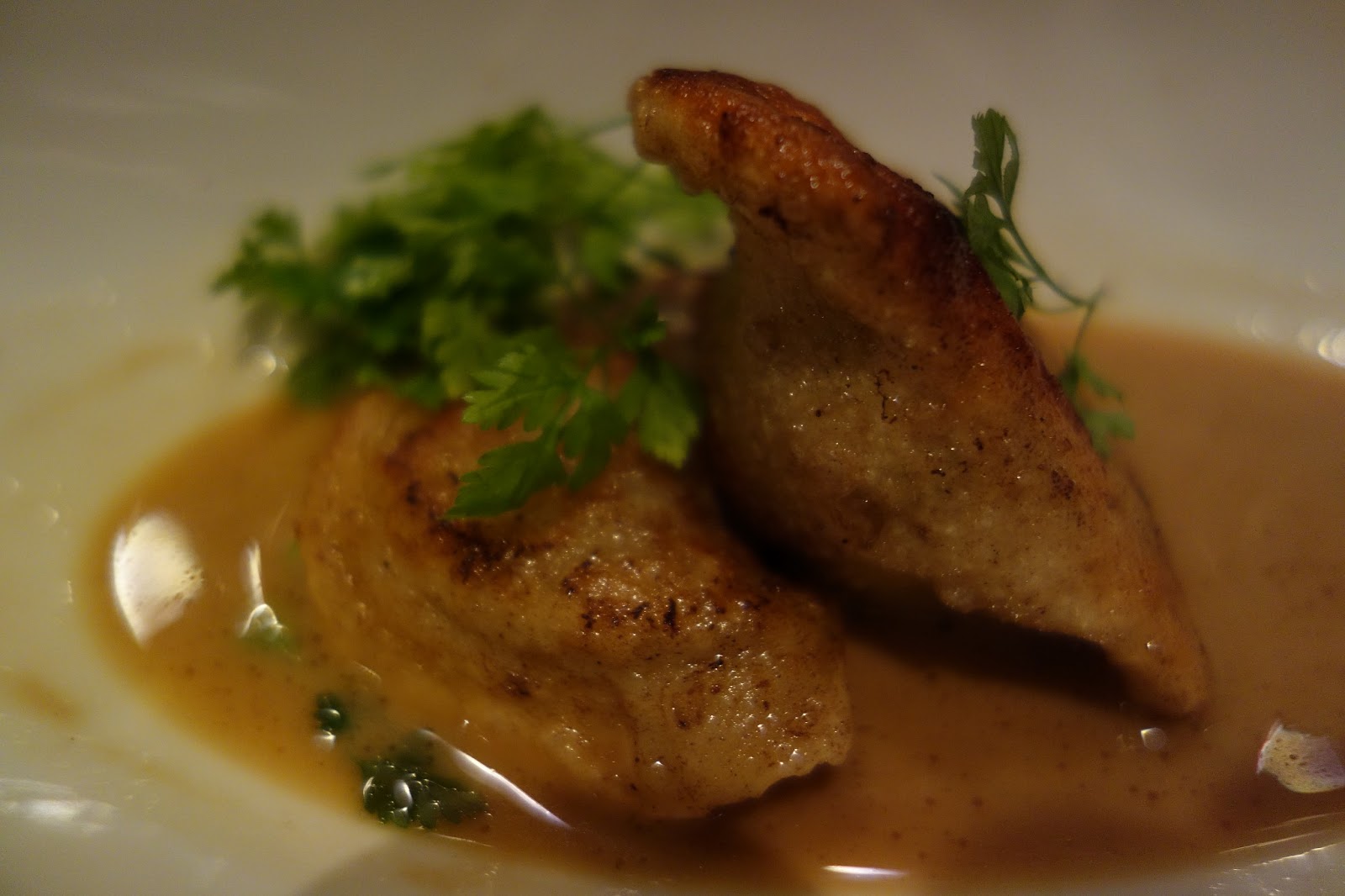


Prior to attending the dinner, I researched Brandt Beef, checking out their website and reading other articles about the company. I was left with numerous questions, by what I found and didn't find, and hoped to get some of them answered at the dinner. Eric Brandt, the managing partner at Brandt Beef, attended the dinner and I was fortunate to get a chance during the course of the dinner to ask him a series of questions about their operations. It was an enlightening conversation.
Brandt Beef refers to itself as "The True Natural," a phrase which they have even trademarked. Their website states they are a "premium natural beef producer that is dedicated to sustainable practices." However, the website fails to actually define the term "true natural," instead listing some of their practices, such as choosing not to use antibiotics and hormones. So what is the definition of "true natural"? Would the average consumer believe Brandt Beef is "true natural?"
The USDA defines "natural" beef as: "A product containing no artificial ingredient or added color and is only minimally processed. Minimal processing means that the product was processed in a manner that does not fundamentally alter the product. The label must include a statement explaining the meaning of the term natural (such as "no artificial ingredients; minimally processed"). As you can see, that is a very general definition which says nothing about how the animal is raised. There is no USDA definition for "true natural" beef.
The average consumer probably doesn't even know that the above is the government's definition of "natural." When they see "natural" on a food product, they have a far different idea of what it should entail. As such, food labels such as "natural" and "organic" can deceive the public who fail to understand what they actually entail, which differs from what they expect.
Brandt Beef conforms to the USDA definition, not a tough hurdle, but they go further, choosing not to use antibiotics and hormones, which is admirable. Eric Brandt originated their compost operation, earning the moniker "King Shit" among his family and friends. This manner of handling their waste is another admirable practice, especially considering how other farms have significant problems due to their great waste. In their alfalfa fields, they use ladybugs and owls as more natural means of pest control. Despite these practices, there are still occasions when they feel the need to spray pesticides, which prevents them from becoming an organic farm.
Eric stated that "Being responsible and balanced is the key." An admirable philosophy. Eric also stated that Brandt was a pioneer in raising natural beef, beginning about 20 years ago, foregoing the use of antibiotics and hormones. Because of this pioneering, they consider themselves a "true natural," unlike other "natural" cattle farms which still use those products on their cattle. Under the USDA definition of natural, these farms can still use antibiotics and hormones. However, is this sufficient to earn Brandt the designation of "true natural?"
For a time, Brandt Beef used to raise cattle for other companies, such as Whole Foods, but in 2001 they decided to create their own brand. About 30% of their cattle is now sold under their own name. How many cattle do they raise? Eric asked that I did not report the number of cattle that they raise so I will not do so. I can report though that Brandt is a feedlot operation, and such operations due have their critics and potential problems. The maternal side of the Brandt family is involved in the dairy industry.
What do the Brandt cattle eat? The website mentions that the cattle are fed a diet of alfalfa and corn, though no specifics are given. Eric told me that the diet consists of approximately 15% alfalfa with about 10% sugar beet pulp (not mentioned on their website) and possibly some other ingredients too. Corn is the major ingredient in their diet, and they are fed this diet over the course of a year or so.
There is some disagreement over whether feeding cows corn is natural or not, and there appears to be some scientific evidence that a cow's stomach needs to adjust to large amounts of corn or could potentially have health problems. That requires that corn consumption be regulated to protect the health of the caste. This is partially why some feedlots use antibiotics, to handle illnesses related to corn consumption. Corn is also what brings excellent marbling to beef, and what makes it taste as good as it does.
Now we get to foundation of my issue with Brandt Beef calling themselves "true natural", which centers on their use of corn. I value transparency and honesty, and definitions are extremely important to me. If you wish to make bold statements in your marketing, then you better ensure you live up to them. The average consumer doesn't understand many of the nuances of legal definitions of words such as natural, organic or cage free. They see these terms in the most common way, something marketers understand and use to take advantage of those perceptions.
If you want to be known as "true natural," then I have high expectations for what that should entail. With Brandt Beef, I do not believe they live up to those expectations. The main problem I have with Brandt Beef is that they feed their cows GMO (genetically modified organism) corn. You won't find that fact listed on their website, though I think it should be. It is an issue of great importance to many consumers, as well as a topic of great controversy. Though Brandt purchases a small percentage of non-GMO corn, Eric indicated that it is far more expensive and difficult to obtain.
In an informal poll on Facebook and Twitter, no one believed that beef from GMO corn fed cattle should be labeled as "true natural." I also do not believe that beef from cattle fed GMO corn should be labeled as "true natural." For Brandt Beef to truly be transparent and up-front, they should be informing the public on their website that their cattle are fed GMO corn. The public has a right to know such information.
Currently, the U.S. has about 170 million acres of transgenic crops, especially soy and corn. About 90% of all the corn grown in the U.S. is now GMO corn. Consequently, non-GMO corn is likely more expensive and difficult to obtain. That is not an excuse though to conceal the fact that a company uses GMO corn. GMO crops have been genetically modified to make them more resistant to pests or tolerant of herbicides. Interestingly, the use of GMO crops has increased herbicide use 7% since 1996 due to new herbicide resistant superweeds.
On the other hand, Europe has been very resistant to the use of GMO crops, and the field is heavily regulated. They grow only a small percentage of GMO crops as compared to the U.S. In the U.S., food does not have to be labeled as GMO, and that has become a political hot button topic, indicating the passion of many against GMO food.
There is much skepticism about the safety of consuming GMO food, as well as the effect of feeding GMO crops to animals that end up as food, especially as there are insufficient studies concerning its safety. As foods are not labeled as GMO based, it becomes far more difficult to track and study negative reactions. The American Academy of Environmental Medicine has mentioned some of the potential health hazards of GMO food. Far more studies are necessary to assess the potential dangers. It is clear that many people object to GMO food and don't consider it natural. I find it disingenuous for a company to tout itself as "true natural" when it feeds its cattle GMO corn.
Brandt Beef does plenty that is admirable, and is better than many other cattle operations, however I believe they could and should be better, especially if they want to claim to be "true natural." They should be more transparent in their operations, owning up on their website to their use of GMO corn. And if they truly wish to be "true natural," I believe they should completely end the practice of using GMO corn.

Thursday Sips & Nibbles
I am back again with a new edition of Thursday Sips & Nibbles, my regular column where I briefly highlight some interesting wine and food items that I have encountered recently.
**********************************************************
1) Owner & Chef Brian Poe is getting ready to flip for National Burger Month in May at The Tip Tap Room in Beacon Hill. Each week, Chef Poe will feature a different 8 oz. game-meat burger that takes a walk on the wild side: Elk Burger; Yak Burger; Antelope Burger; and, Buffalo Burger. Each reimagined American classic comes served with French fries and is dressed with toppings and condiments.
These specialty burgers will join Poe’s trio of signature burgers ($12.95 each), which are available at lunch and dinner: Steak Burger (lettuce, tomato, veal demi, A1 aioli, Tip Tap dressing); Lamb Burger (lettuce, tomato, tzatziki, lamb glace); and, Turkey Burger (lettuce, tomato, cranberry fennel slaw, turkey gravy). Customize any burger to your palate with an assortment of add-on accompaniments including: sautéed mushrooms; bacon; sautéed onions; Swiss; cheddar; American; and, beer cheese sauce.
Cost: Wild game specialty burgers: $14 each
Signature burgers: $12.95
2) Spice things up on Sunday, May 5 at Tryst. In celebration of Cinco de Mayo, Tryst is offering guests a free shrimp taco with the purchase of a “Tryst-a-rita,” Tryst’s house margarita. From 4:30pm-9pm, guests will receive one of Executive Chef Paul Turano’s famed shrimp tacos when they order a margarita ($10) in the bar & lounge area or dining room. No food or cocktail substitutions. Limited to one shrimp taco per cocktail order. Limited to one per guest.
3) Join the team at Island Creek Oyster Bar as they welcome winemaker Christian Moreau of the Domaine Christian Moreau Pére & Fils for a dinner celebrating Chablis and its perfect pairing – seafood! Christian brings his portfolio of Chablis wines ranging from unadulterated AC (Appellation d'Origine Contrôlee) through Premier and Grand Cru holdings to Island Creek Oyster Bar on Tuesday, May 14, at 6:30pm.
The terroir of Chablis is the perfect match for ICOB’s sea-to-table fare. The soils in the Chablis region of France contain fossilized oysters shells giving the wine notes of mineral and salt from old sea beds – an oyster bar’s dream. ICOB is meticulous about the fishermen from which they source their seafood and farmers that grow their wines so the Moreau family’s tradition of carefully harvesting and sorting grapes by hand for optimal quality is an ideal match for not just the restaurant’s menu, but also its ethos.
Cost: $115 per person includes a four-course prix fixe menu (raw bar, appetizer, entrée, dessert) and paired wines, exclusive of gratuity & tax.
For Reservations, please call 617-532-5300.
4) Owner Brian Poe and Executive Chef Eric Gburski are burger guys, so much so that they launched Estelle’s Burger Joint in April, made up of a quintet of gourmet burgers that are offered six days a week until 5pm.
To rightfully honor National Burger Month in May, the duo will be grilling up an exclusive beauty of a special available by night: Big Beauty Burger (wicked hot aioli, cheddar cheese, Estelle’s B n’ B pickles - $12.95). For one month only, The Big Beauty Burger will join the ranks with Estelle’s signature creations that each come served with house-cut fries and a variety of sauces: Estelle’s House Burger (100% beef burger with American cheese, tomato, onion, Estelle’s B n’ B pickles, potato roll - $7.95); Double Trouble (double 100% beef burgers, double American cheese, tomato, onion, Estelle’s B n’ B pickles, potato roll - $12.95); Cajun Turkey Burger (spiced turkey with American cheese, tomato, onion, Estelle’s B n’ B pickles, potato roll - $9.95); Crispy Catfish Burger (pan fried, breaded and spiced catfish with lettuce, tomato, onion, Estelle’s B n’ B pickles, potato roll - $10.95); and, Vegan Burger (black eyed pea and corn burger with lettuce, tomato, onion, Estelle’s B n’ B pickles - $8.95).
5) Lee Napoli, owner of Chocolee Chocolates, is a skilled Pastry Chef and is now realizing her dream of bringing top quality baked goods to the masses with the opening later this month of a new bakery, Bread + Butter. This will be an artisan bakery-cafe designed to showcase her library of sweet and savory recipes, developed during her years at Boston restaurants like Maison Robert, Anago, Metro, and Sandrine’s.
It will feature Napoli'’s éclairs, croissants and napoleons; as well as other essential urban fare like sandwiches on fresh baked bread, unique entrees, exceptional coffee, crisp salads, and of course, hand-dipped chocolates from Chocolee Chocolates. It will be a 2,500 sq ft café and bakery located at the corner of Cross and Salem streets, where the North End meets the Rose Kennedy Greenway. Passers-by can watch Lee Napoli at work daily through a large window that connects the kitchen to the street.
I am a huge fan of Chocolee Chocolates and I have enjoyed Lee's eclairs, beignets and more. This new cafe/bakery is exciting and I look forward to checking it out once it opens this month.
**********************************************************
1) Owner & Chef Brian Poe is getting ready to flip for National Burger Month in May at The Tip Tap Room in Beacon Hill. Each week, Chef Poe will feature a different 8 oz. game-meat burger that takes a walk on the wild side: Elk Burger; Yak Burger; Antelope Burger; and, Buffalo Burger. Each reimagined American classic comes served with French fries and is dressed with toppings and condiments.
These specialty burgers will join Poe’s trio of signature burgers ($12.95 each), which are available at lunch and dinner: Steak Burger (lettuce, tomato, veal demi, A1 aioli, Tip Tap dressing); Lamb Burger (lettuce, tomato, tzatziki, lamb glace); and, Turkey Burger (lettuce, tomato, cranberry fennel slaw, turkey gravy). Customize any burger to your palate with an assortment of add-on accompaniments including: sautéed mushrooms; bacon; sautéed onions; Swiss; cheddar; American; and, beer cheese sauce.
Cost: Wild game specialty burgers: $14 each
Signature burgers: $12.95
2) Spice things up on Sunday, May 5 at Tryst. In celebration of Cinco de Mayo, Tryst is offering guests a free shrimp taco with the purchase of a “Tryst-a-rita,” Tryst’s house margarita. From 4:30pm-9pm, guests will receive one of Executive Chef Paul Turano’s famed shrimp tacos when they order a margarita ($10) in the bar & lounge area or dining room. No food or cocktail substitutions. Limited to one shrimp taco per cocktail order. Limited to one per guest.
3) Join the team at Island Creek Oyster Bar as they welcome winemaker Christian Moreau of the Domaine Christian Moreau Pére & Fils for a dinner celebrating Chablis and its perfect pairing – seafood! Christian brings his portfolio of Chablis wines ranging from unadulterated AC (Appellation d'Origine Contrôlee) through Premier and Grand Cru holdings to Island Creek Oyster Bar on Tuesday, May 14, at 6:30pm.
The terroir of Chablis is the perfect match for ICOB’s sea-to-table fare. The soils in the Chablis region of France contain fossilized oysters shells giving the wine notes of mineral and salt from old sea beds – an oyster bar’s dream. ICOB is meticulous about the fishermen from which they source their seafood and farmers that grow their wines so the Moreau family’s tradition of carefully harvesting and sorting grapes by hand for optimal quality is an ideal match for not just the restaurant’s menu, but also its ethos.
Cost: $115 per person includes a four-course prix fixe menu (raw bar, appetizer, entrée, dessert) and paired wines, exclusive of gratuity & tax.
For Reservations, please call 617-532-5300.
4) Owner Brian Poe and Executive Chef Eric Gburski are burger guys, so much so that they launched Estelle’s Burger Joint in April, made up of a quintet of gourmet burgers that are offered six days a week until 5pm.
To rightfully honor National Burger Month in May, the duo will be grilling up an exclusive beauty of a special available by night: Big Beauty Burger (wicked hot aioli, cheddar cheese, Estelle’s B n’ B pickles - $12.95). For one month only, The Big Beauty Burger will join the ranks with Estelle’s signature creations that each come served with house-cut fries and a variety of sauces: Estelle’s House Burger (100% beef burger with American cheese, tomato, onion, Estelle’s B n’ B pickles, potato roll - $7.95); Double Trouble (double 100% beef burgers, double American cheese, tomato, onion, Estelle’s B n’ B pickles, potato roll - $12.95); Cajun Turkey Burger (spiced turkey with American cheese, tomato, onion, Estelle’s B n’ B pickles, potato roll - $9.95); Crispy Catfish Burger (pan fried, breaded and spiced catfish with lettuce, tomato, onion, Estelle’s B n’ B pickles, potato roll - $10.95); and, Vegan Burger (black eyed pea and corn burger with lettuce, tomato, onion, Estelle’s B n’ B pickles - $8.95).
5) Lee Napoli, owner of Chocolee Chocolates, is a skilled Pastry Chef and is now realizing her dream of bringing top quality baked goods to the masses with the opening later this month of a new bakery, Bread + Butter. This will be an artisan bakery-cafe designed to showcase her library of sweet and savory recipes, developed during her years at Boston restaurants like Maison Robert, Anago, Metro, and Sandrine’s.
It will feature Napoli'’s éclairs, croissants and napoleons; as well as other essential urban fare like sandwiches on fresh baked bread, unique entrees, exceptional coffee, crisp salads, and of course, hand-dipped chocolates from Chocolee Chocolates. It will be a 2,500 sq ft café and bakery located at the corner of Cross and Salem streets, where the North End meets the Rose Kennedy Greenway. Passers-by can watch Lee Napoli at work daily through a large window that connects the kitchen to the street.
I am a huge fan of Chocolee Chocolates and I have enjoyed Lee's eclairs, beignets and more. This new cafe/bakery is exciting and I look forward to checking it out once it opens this month.
Don't Wait In Line At Shake Shack!
A Shake Shack recently opened in Chestnut Hill and another location may open in Harvard Square. The local media went crazed, saturating their readers with abundant coverage of the new Shake Shack. People on Facebook, Twitter and other social media sites could not stop talking about this burger joint. Some people waited an hour or more to get a burger and shake. Though some of the talk has died down, it remains hugely popular and you will likely have to wait in line to place your order.
However, I have important advice for you. Don't wait in line at Shake Shack!
Do I have something against Shake Shack? No. In fact, I have not even eaten there yet, though I plan on visiting in the near future. My advice actually should be more general, that you shouldn't wait in line at any fast food restaurant. Why? Because the waiting will only decrease your enjoyment of whatever food you eventually order. If you want the optimal taste of fast food, you shouldn't wait in line for it.
Before explaining this advice, let me note that eating fast food, especially frequently, can be unhealthy for us, and far too many people choose fast food over much healthier selections. Why do they do this when they clearly understand the potential negative health consequences? In the Scientific American Mind (March/April 2013), there is an informative article, Time-Warping Temptations, by journalist David H. Freedman which provides some rationale behind these choices.
The psychological culprit appears to be temporal discounting, defined as "..our tendency to view small rewards available now as more desirable than even much bigger payoffs down the road." Temporal discounting is responsible for such problems as "...overeating, overspending, abusing drugs, and more." It is believed that it might be an evolutionary trait from when man was surrounded by constant threats to his life so that it was beneficial to take the immediate reward as one never knew what the future might bring.
Temporal discounting is responsible for people's desire for instant gratification, for our tendency to seek whatever will fulfill our immediate need, even if it might not be good for ourselves in the future. The hustle and bustle of fast food restaurants can also accentuate our desire for an immediate reward. There are ways though to fight this psychological instinct, ways for us to look more toward the future and stop giving in to our base desire for instant gratification.
One of the most important ways to do this is to find a way to delay the immediate reward, and counteract the temporal discounting. Rather than dining at a fast food restaurant, spend a little time shopping first, even if you just window shop. You might find then that your desire for fast food has abated, and you might be willing to seek a healthier choice. This should work in other circumstances as well, such as trying to stop smoking cigarettes.
Why does this type of delay often succeed? Well, now we get back to my original point of why you shouldn't wait in line at a fast food restaurant. "Research has shown that requiring people to wait just five minutes for a treat cuts the appeal of the treat in half." So, if you wait in line at a restaurant, then you are less likely to enjoy the food you eventually eat. The delay you face in a long line at a fast food restaurant will cause your experience to be diminished. You probably don't realize it is occurring but it exists.
If you want to have the best experience at Shake Shack, or any similar place, then go when you don't have to wait in line, and not when your experience would be lessened. And better yet, don't eat as much at fast food restaurants, choosing more healthy options.
However, I have important advice for you. Don't wait in line at Shake Shack!
Do I have something against Shake Shack? No. In fact, I have not even eaten there yet, though I plan on visiting in the near future. My advice actually should be more general, that you shouldn't wait in line at any fast food restaurant. Why? Because the waiting will only decrease your enjoyment of whatever food you eventually order. If you want the optimal taste of fast food, you shouldn't wait in line for it.
Before explaining this advice, let me note that eating fast food, especially frequently, can be unhealthy for us, and far too many people choose fast food over much healthier selections. Why do they do this when they clearly understand the potential negative health consequences? In the Scientific American Mind (March/April 2013), there is an informative article, Time-Warping Temptations, by journalist David H. Freedman which provides some rationale behind these choices.
The psychological culprit appears to be temporal discounting, defined as "..our tendency to view small rewards available now as more desirable than even much bigger payoffs down the road." Temporal discounting is responsible for such problems as "...overeating, overspending, abusing drugs, and more." It is believed that it might be an evolutionary trait from when man was surrounded by constant threats to his life so that it was beneficial to take the immediate reward as one never knew what the future might bring.
Temporal discounting is responsible for people's desire for instant gratification, for our tendency to seek whatever will fulfill our immediate need, even if it might not be good for ourselves in the future. The hustle and bustle of fast food restaurants can also accentuate our desire for an immediate reward. There are ways though to fight this psychological instinct, ways for us to look more toward the future and stop giving in to our base desire for instant gratification.
One of the most important ways to do this is to find a way to delay the immediate reward, and counteract the temporal discounting. Rather than dining at a fast food restaurant, spend a little time shopping first, even if you just window shop. You might find then that your desire for fast food has abated, and you might be willing to seek a healthier choice. This should work in other circumstances as well, such as trying to stop smoking cigarettes.
Why does this type of delay often succeed? Well, now we get back to my original point of why you shouldn't wait in line at a fast food restaurant. "Research has shown that requiring people to wait just five minutes for a treat cuts the appeal of the treat in half." So, if you wait in line at a restaurant, then you are less likely to enjoy the food you eventually eat. The delay you face in a long line at a fast food restaurant will cause your experience to be diminished. You probably don't realize it is occurring but it exists.
If you want to have the best experience at Shake Shack, or any similar place, then go when you don't have to wait in line, and not when your experience would be lessened. And better yet, don't eat as much at fast food restaurants, choosing more healthy options.
Subscribe to:
Posts (Atom)